Contrast therapy: the practice of exposing oneself to extremes in temperature, [heat] in the form of sauna or hot baths on the one end and either combining or independently utilising [cold] ice-baths, open-water swimming and or Cryotherapy on the other. Popularity in its use has grown immensely over the last few years as individuals in the space such as Wim Hof and Laird Hamilton have become more mainstream, what was once the preserve of elite sports stars and teams is now affordable and easily accessible to all.
Contrast therapy is not a new phenomenon – especially heat, indeed, Japanese Onsen, Russian Banya and Mexican Temazcal are all types of similar experiences – the most popular however, is Sauna.
Utilising any of the above, as part of regimented approach to personal development is hard, the discipline of enduring up to 200℉ for bouts at a time and then shifting to sub-zero (-140 ℃ or -220℉ in the case of cryotherapy chambers) temperatures can be uncomfortable and keeping up any form of consistency can be time consuming.
Nevertheless, the benefits associated with first, discipling a daily/weekly protocol and second, remaining consistent to something so hard, cannot be denied. Expect enhanced mood, less stress, an ability to endure further hard things and a distinct clarity of mind; this is ahead of the physical benefits.
SAUNA
While saunas do exist in other forms and heat exposure has been used extensively by cultures since the Greeks, Romans and Mayans, Finland (Estonia too) is the home of Sauna, and it has been part of everyday life for centuries.
The word ‘Sauna’ is old Finnish and means “earth” or “snow pit”. Its cultural practice is central to all Scandi/Baltic regions of the world, with each country having nuanced rituals, based on their national identity, such as the Finnish and Estonian practice of smoke-Sauna or “savusauna”. Currently, Finland and Estonia are jointly working to safeguard their shared sauna culture, recognized by UNESCO as Intangible Cultural Heritage, focusing on its preservation and promotion.
More contemporary Scandi and Baltic sauna’s are comprised of a wood house with a stove, called a kiuas, and a pile of stones, or kiuaskivet that are heated to create a cloud of steam called Löyly or Leil (in Estonia) – Löyly is characterised as the envelope of heat and steam that surrounds you in the sauna as water is poured onto the hot rocks and it is this heat that provides all the benefit associated with Sauna.
Modern Sauna come in three forms, the more traditional dry sauna heated with stones, fire or gas, steam sauna and newer infrared type sauna that use infrared heaters to emit light that delivers radiant heat, absorbed through the surface of the skin. Although a distinctly cheaper alternative investment, infrared sauna does not reach the same temperatures as the more traditional sauna, there is speculation to the benefit of the infrared light but there is not the same depth of academic literature currently available on these types of sauna.
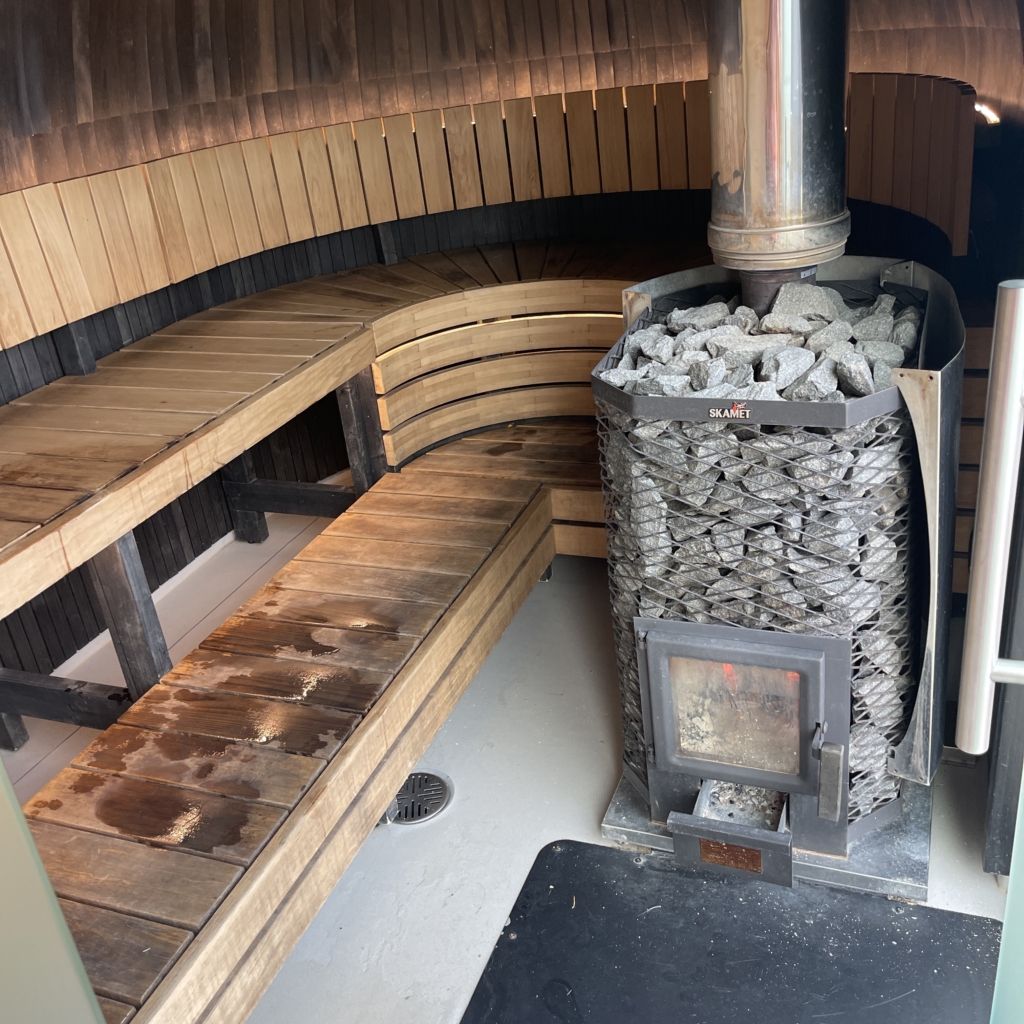
Pictured above is a modern example of the traditional ‘kiuas’ or stove, common across Scandinavia. Image taken Iglupark in Tallinn, Estonia
THE ROLE OF HEAT THERAPY
Think of your body as having two temperatures: your “core” temperature (inside) and your skin or “shell” temperature (outside). Your body is in constant flux to find balance or homeostasis, and it is this thermoregulation via neurons in the skin, the spinal cord, areas in the brain and roof of the mouth that affect our autonomous nervous system. The release of hormones either side of the fight or flight (sympathetic) and rest and digest (parasympathetic) “switch” is where the benefit of the various heat protocols lies.
The heat associated with frequent sauna bathing protocols has been proven to positively impact many aspects of life. Mentally, sauna exposure (in the same way nootropic supplements and exercise) has been shown to boost brain-derived neurotrophic factor or BDNF, activating the growth of new brain cells, better maintaining existing cells, and improving neuroplasticity – essentially, the brain’s process for forming new neural connections.
During early use of sauna, our body responds with a release of dynorphins, initially causing discomfort and apprehension but ultimately setting the stage for endorphins to enhance mood, which is why after sauna we feel content and euphoric, its use has led to new findings adding to emerging evidence that frequent sauna therapy could reduce the risk of several acute and chronic health conditions such as psychosis and depression.
Aside from elevated states in mood, mental clarity, and a reduction in the stress hormone cortisol, the physical improvements or rather the biological cascades associated with sauna are where most of the benefit lie.
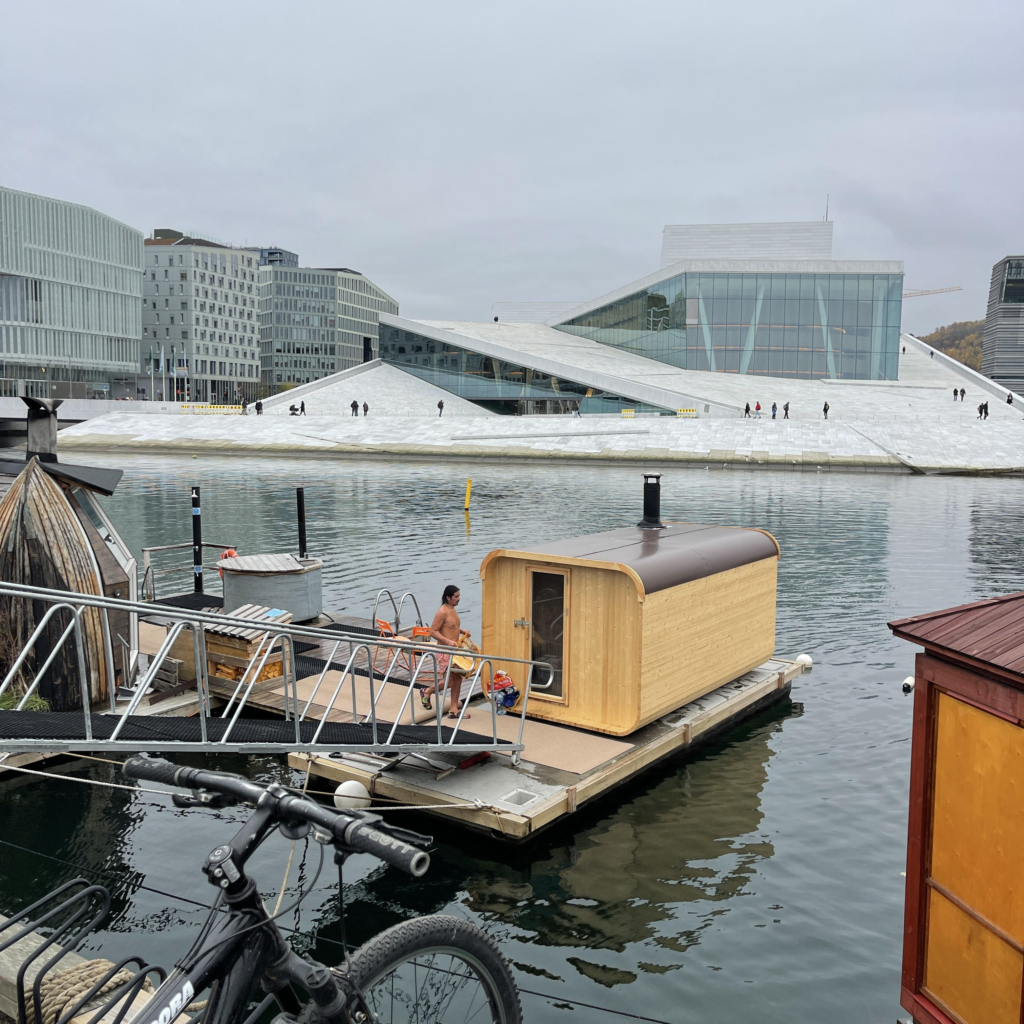
Pictured above are the floating Sauna of Oslo Badstuforening in the Bjørvika neighborhood of Oslo, overlooking the National Opera building
CARDIOVASCULAR
A 2018 study, found that sauna bathing four to seven times per week reduces the risk of death from cardiovascular disease by as much as 58%, strengthening its association with a reduction in cardiovascular mortality.
As our body temperature increases, our body must work harder to thermoregulate; thus, increasing both heart rate (to around 120-140bpm) and the hearts stroke volume. It is this mimetic effect, similar cardiovascular exercise, which increases the body’s production of nitric oxide, in turn increasing vasodilation or the widening of blood vessels, improving circulation and a reduction an individual’s blood pressure.
A 2022 research paper looking into the effects of regular sauna bathing in conjunction with exercise on cardiovascular function found a regular 15-minute sauna bathing session post-exercise had a significant effect on cardiorespiratory fitness and resting systolic blood pressure, lowered cholesterol levels and suggested, in order to prolong the benefits associated with a purposeful cardio session, it may be beneficial to add sauna bathing immediately after – prolonging the work being done by the heart.
All told, combined improvements in flow and volume from sauna’s hyperthermic conditioning leads to an increase in blood plasma and red blood cell count. That process delivers more oxygen throughout the body, powering overall athletic performance.
CELLULAR LONGEVITY
This extra expression of effort by the heart and the cardiopulmonary system, gives rise to an increase in the number of mitochondria within a [muscle] cell as well promoting the efficiency of existing mitochondria.
If we think of mitochondria as the engine of a cell and understand, as supported by Christiakov et al (2014), that one factor in the expression of ‘ageing’ is a decrease in mitochondrial, integrity and functionality; increasing the robustness of our mitochondria enhances the bodies capacity to do metabolic work and live longer.
One of the foremost studies into sauna bathing that followed 2000 men across 20-years suggests a dose-response relationship – the longer and more frequent your sauna sessions are, the longer you tend to live.
This very same study found that sauna bathing reduces the risk of all-cause mortality, including, cardiovascular disease, cancer, and diabetes. Subjects who used the sauna 2-3 times a week were 27% less likely to die from cardiovascular disease and experienced a 23% reduction in all-cause mortality. Whereas subjects who used sauna 4 or more times a week were 50% less likely to die from cardiovascular disease and 40% from all-cause mortality
ENDOCRINOL
Another important precursor to longevity is the production and continual release of Human Growth Hormone (HGH). Produced mostly during sleep, growth hormone plays an important role in muscle growth, development, function and recovery, its release is peaked around puberty and as we age our ability to produce HGH diminishes.
There are ways to ensure we maintain optimum levels of HGH, such as regular and effective sleep patterns and HGH supplementation but this 1986 study looking at endocrine effects of repeated sauna bathing discovered short bursts of sauna bathing could have a sixteen-fold increase in growth hormone production.
THERMO-REGULATION
The most overt and obvious association with sauna is sweating. Whilst caution must be exercised due to the potential of dehydration, it is purported that this biproduct of thermo-regulation has huge implications for detoxifying heavy metals and chemicals from the body. Everyday exposure to potentially toxic heavy metals through a variety of sources means even the most health-conscious people still have toxins in the body – regular sauna bathing may excrete these toxins.
IMMUNITY
All things considered, one major benefit of regular deliberate heat exposure is the ignition of your immune system, specifically via the release of heat shock proteins (HSP) that ward off inflammation.
Heat shock proteins are released by the body to essentially mitigate daily changes to the body via molecular pathways, which otherwise, could be detrimental to your health at a cellular level.
The role of HSP’s is to help maintain the necessary 3-dimensional shape of a protein cell that everyday wear and tear on the body would otherwise affect.
As we age, proteins become disorganised and restructured, further “protein aggregation” can cause plaque to form. The release of HSP’s, which remain active for 48 hours, has been found to mitigate this aggregation and reduce the potential for cardiac diseases including heart failure, cardiomyopathy, and atherosclerosis as well as with neurodegenerative diseases such as Alzheimer’s, Parkinson’s, and Huntington’s disease. Sauna bathing 4-7 times per week at 163℉ for 30 minutes activates HSP’s around 50% above base-levels.
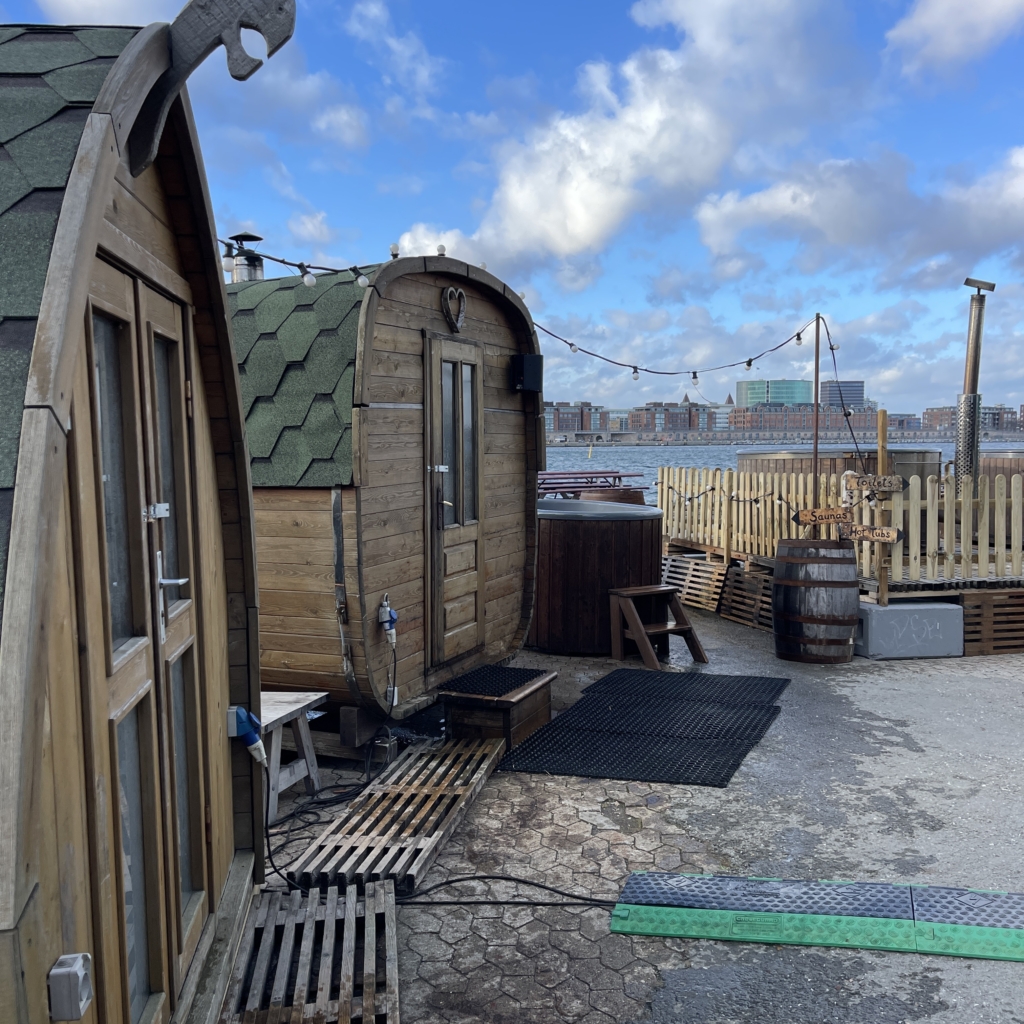
Pictured above are the day-hire Sauna at Copenhot in Copenhagen, Denmark.
SAUNA PROTOCOLS
*It is important to always consult your physician before embarking on any form of new fitness regime.
One thing to remember when administering any kind of heat therapy is that not all sauna practices are created equal, results vary and much like exercise prescription, results are dependent on the type of protocol administered and consistency, based on the current research here are several protocols, all with their own desired outcomes.
First, choose a heat that you can tolerate, it’s always advisable to start low and work up but most of the currently available research cited herein points to temperatures of between 80-100℃ or 176-212℉ with humidity around 10-20%
Cardiovascular health:
5 to 20 minutes (19 minutes is optimal) per session and repeat the use of the sauna from 2 to 3 times per week, or as often as 7x per week.
General health and mood:
1 hour per week, split into 2 to 3 sessions.
Growth Hormone Release:
Once per week or less for multiple sessions of 30 minutes each with cool down periods in between. 4x alternating 30 minutes sauna, then cool off outside sauna for 5 minutes.
Better Sleep:
Our body is cooler at night as we fall asleep, by around 1-3 degrees and begins to peak in core temperature as we wake. Sauna bathing in the evening evidently increases the body’s temperature (our shell) thus, the body naturally begins to counter this by cooling (at our core), via the medial preoptic nucleus of the hypothalamus. Utilising the sauna later in the day to tap into our body’s natural cooling mechanism helps us fall asleep and stay asleep
AUTHORS NOTE
It is important to note that we are not trying to become accustomed to the temperatures associated with sauna. As previously mentioned, it is our bodies release of hormones and other compounds either side of various stress response pathways that produces the benefits such as anti-inflammation, autophagy, anti-oxidation, anti-ageing, the production of new stem cells and the repairing of damage to our DNA. Regular sauna bathing will, however, enable our body to cope more efficiently with adverse conditions such as hot weather and intense exercise that typically raises our body’s temperature.
Sauna is a big part of my weekly routine, we have one at home, and whenever I am away, I always ensure I have access to sauna. I have been extremely lucky to have experienced sauna all over Scandinavia and the Baltic States and although there are subtle nuanced differences with each of the cultural practices in Sweden, Norway, Finland, Denmark, and Estonia its practice always centres around the social setting and enjoyment.
I have laid out several protocols above that are all dependent on your goals but, the sauna I have experienced, particularly in Norway, Estonia and Finland are not timed and the temperature doesn’t matter. The ‘Löyly meister’ (Finnish) oversees the bucket and the resultant steam but everyone is engaged in the experience – larger sauna have upwards of 25 people in at any one time.
Remember to base your sauna protocol on your desired outcome as protocols dictate results, always ensure you remain adequately hydrated with both water and electrolytes when administering sauna or any heat therapy.
The use of sauna is almost ubiquitous nowadays and becoming a staple part of a healthy lifestyle, access is easy, relatively cheap and usually bolted on to most gym club memberships. Swimming pools and sports centres tend to have access to a ‘wellness centre‘, spa or have a standalone sauna for use by members – you do not have to travel far and wide to reap the benefits listed above.
Whilst sauna use may not be something you have previously thought about, the impact it has had on my recovery, sleep and overall wellness can not be overstated.
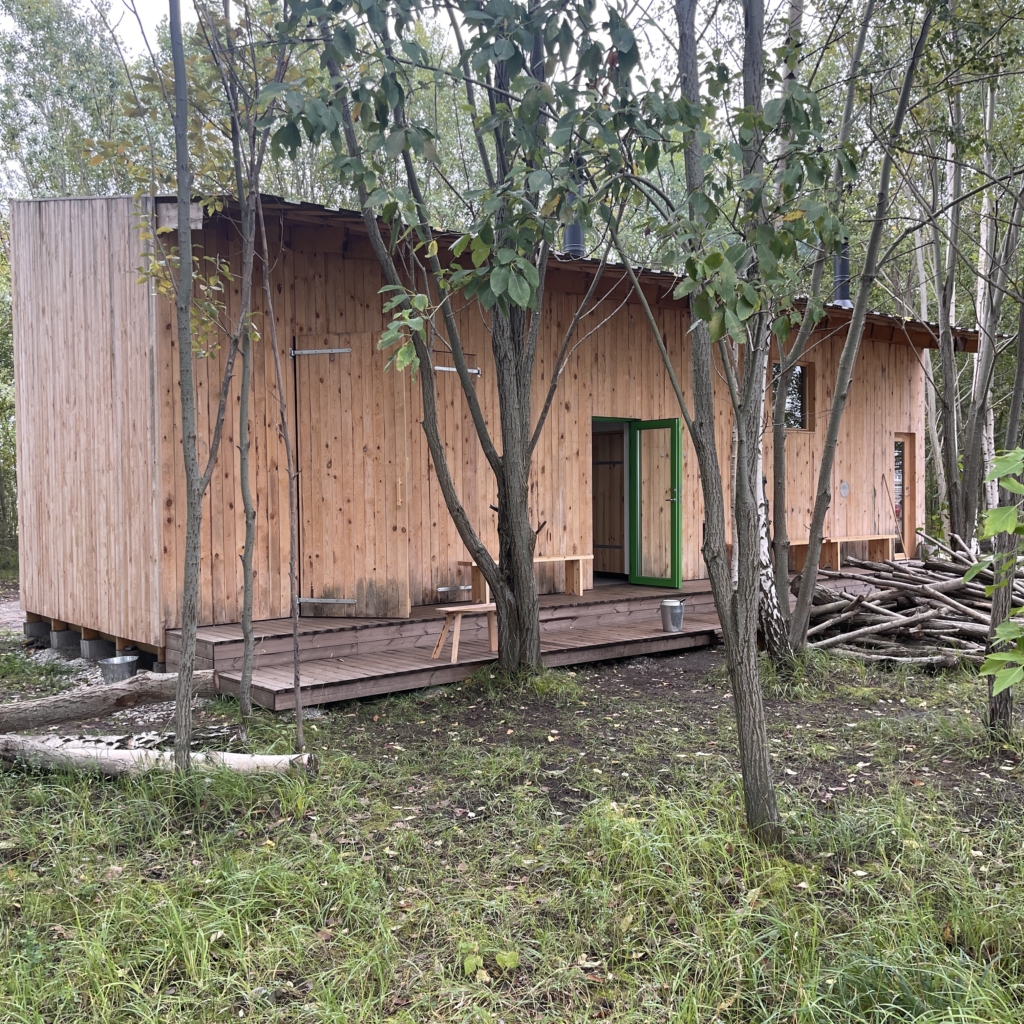
Pictured above is the traditional wooden hut that is Logi Saun in Tallinn, Estonia
REFERENCES
Laukkanen, T., Laukkanen, J. A., & Kunutsor, S. K. (2018). Sauna bathing and risk of psychotic disorders: A prospective cohort study. Medical Principles and Practice, 27, 562–569. https://doi.org/10.1159/000493392
Laukkanen, T., Kunutsor, S. K., Khan, H., et al. (2018). Sauna bathing is associated with reduced cardiovascular mortality and improves risk prediction in men and women: A prospective cohort study. BMC Medicine, 16, Article 219. https://doi.org/10.1186/s12916-018-1198-0
Lee, E., Kolunsarka, I., Kostensalo, J., et al. (2022). Effects of regular sauna bathing in conjunction with exercise on cardiovascular function: A multi-arm, randomized controlled trial. American Journal of Physiology–Regulatory, Integrative and Comparative Physiology, 323(1). https://doi.org/10.1152/ajpregu.00076.2022
Chistiakov, D. A., Sobenin, I. A., Revin, V. V., Orekhov, A. N., & Bobryshev, Y. V. (2014). Mitochondrial aging and age-related dysfunction of mitochondria. BioMed Research International, 2014, Article 238463. https://doi.org/10.1155/2014/238463
Laukkanen, T., Khan, H., Zaccardi, F., & Laukkanen, J. A. (2015). Association between sauna bathing and fatal cardiovascular and all-cause mortality events. JAMA Internal Medicine, 175(4), 542–548. https://doi.org/10.1001/jamainternmed.2014.8187
Leppäluoto, J., Huttunen, P., Hirvonen, J., et al. (1986). Endocrine effects of repeated sauna bathing. Annals of Clinical Research. https://doi.org/10.1111/j.1748-1716.1986.tb08000.x
Żychowska, M., Półrola, P., Chruściński, G., Zielińska, J., & Góral-Półrola, J. (2017). Effects of sauna bathing on stress-related genes expression in athletes and non-athletes. Annals of Agricultural and Environmental Medicine, 24(1), 104–107. https://doi.org/10.5604/12321966.1233977
Patrick, R. P., & Johnson, T. L. (2021). Sauna use as a lifestyle practice to extend healthspan. Experimental Gerontology. https://www.sciencedirect.com/science/article/pii/S0531556521002916