Why should you consider implementing breathwork practice as a discipline?
Indeed, why spend time on something that happens naturally approximately 26,000 times per day?
You shouldn’t need to be told how to do it. Right?
The sad truth is that not everyone knows how to breathe.
Anxiety, obesity, sleep apnoea, poor locomotion, diabetes and learning difficulties have all been linked to poor breathing, so in simple terms, learning to breathe correctly can help you a whole lot more than you think.
Everybody instantly assumes they understand breathing, it’s what keeps us alive, everybody also assumes that the moment you mention breathwork, you’re attempting to proselytize a cult or the ‘practice’ of which you speak; is buried in yogic traditions, both couldn’t be anymore incorrect.
So, let’s reframe this into three areas.
- How is breathing going to help you live your life better?
- How can you add breathwork to disciplines you are already doing?
- What does the practice look like?
DEFINITIONS
First, breath practice may be the very thing that changes your life. Quite a bold statement there but understand that investing in the discipline will change your mindset, your ability to focus and perform.
The benefits associated are often over simplified, but the opportunities that lie the other side of the practice of breathing are vast and innumerable. Every breathwork sequence, cadence and format can elicit a different benefit, an altered response within your body – all tools to augment High Performance Living.
There are essentially three features to breathwork: biomechanics (respiration), biochemistry (perfusion), and the cadence of the breath (ventilation).
Before we look deeper, understand three more common terms often used interchangeably with breathing:
- Respiration: the actual act of breathing (the exchanging of gases via the lungs).
- Ventilation: the movement of air.
- Perfusion: the exchange of gases across the blood barrier (blood flow to tissues and organs).
Once you have these three ideas set you can comprehend how they combine to encourage good practice, understand the impact of failures across these systems and the adverse effect this can have on performing at your best.
WHY DO WE BREATHE?
Everyday living is aerobic in nature and breath control permits complete agency of the human organism; from emotions to actions – everything is linked to breath – breathing as the remote control to your nervous system.
Your bodies prime concern is respiration, there is no one cell in the human body that does not require oxygen to function. Respiration ensures we receive and utilise enough oxygen for all metabolic processes to occur and [on the other end] rid us of the majority of carbon dioxide that’s produced – without oxygen, the human body would simply not be able to function, and whilst we do have a finite capability to work anaerobically, all prolonged metabolic function requires oxygen.
MECHANICS OF BREATHING
The metabolic processes that occur within our cells produce carbon dioxide (CO2); whether through exercise, digestion or sleep, its presence affects the acid/base balance or the pH (potential for Hydrogen) of our blood. Respiration, through perfusion and ventilation, ensures we are rid of most of this CO2, and we can utilise enough oxygen for our metabolic processes to occur.
The mechanism of breathing is a complex one to say the least; nerves in the brain stem called the pre-Botzinger complex are stimulated via changes in pressure, detected by baroreceptors and changes in chemistry via chemoreceptors due of the presence of carbon dioxide. Along with stimulation of the phrenic nerves, the contraction of the principal muscle associated with breathing – the diaphragm – is initiated.
The diaphragm contracts causing pressure inside our chest cavity to drop, air is pulled in due to the differential in pressure, the rib cage rotates up and out via the external intercostal muscles, and the thoracic cavity expands for the lungs to fill. At rest, exhalation is entirely passive – everything recoils and relaxes in oscillation, but during exercise there is an active exhalation using the abdominal muscles via nerves in the retrotrapezoid nucleus, something you will have experienced as the necessity to breathe harder increases during intense exercise.
As air is pulled in it travels into the upper airway system; comprised of the nasal cavity, sinuses, and pharynx; then on to the lower airway system consisting of the larynx, trachea, bronchi, bronchioles, and alveolar ducts.
Like most constituents of anatomy, the component parts of the respiratory tract are extensive, comprised over approximately 70sq metres, it has a combined volume (at rest) of around 2.5 litres that can increase, in elite performers, up to 100 litres during exercise. One breath, or an individual’s tidal volume at rest is around 500ml or 20% of the total capacity but is enough to perform basal metabolism, the entire 70sqm area can expand its surface area and is the reason shallow breathing is enough to keep us alive.
The respiratory system also possesses its own self-preservation mechanism named the ‘physiological sigh’ (our super breath). Our lungs contain around 500 million alveoli that measure around 200 microns across, each is fluid lined with lung surfactant and exists much like a wet balloon. This substance creates surface tension and thus, alveoli tend to collapse; to avoid this and to reopen the ‘wet balloon’, your body initiates two deep involuntary breaths followed by a long exhale every five or so minutes including the moments before we are about to fall asleep, during sleep, and when we cry – to see this in action, watch your dog in a relaxed state or think to the bodies last ‘dying breath’, in essence, the bodies involuntary attempt to restart the lungs.
It is at the very end of the lower airway system, the point at which the alveoli meet the capillary beds, that gases are exchanged across the blood barrier via perfusion. Here we can begin to understand the relationship between oxygen and carbon dioxide and their interdependence.

CHEMISTRY OF BREATHING
Good breathwork is really the practice of increasing the body’s tolerance to Carbon Dioxide, it is understanding that manipulating the mechanics of breath and the cadence of breath can alter performance and improve recovery. Tolerance to carbon dioxide is everything, it’s everyday living: the ability to remain calm, to have better relationships, becoming less reactive, and to improve sleep. It is also performance: hypertrophy in bodybuilding, bracing in powerlifting, anaerobic threshold when running, avoiding death when freediving, and early fatigue in Jiu Jitsu.
Carbon dioxide, at least to the uniformed, has always received a bad rap but when you get to the raw physiology of breath, you understand that CO2 is paramount for perfusion to occur, without it we wouldn’t be able to breathe at all.
The Bohr effect is a physiological phenomenon that describes the influence of carbon dioxide and acidity (pH) on the oxygen-binding capacity of haemoglobin, a protein in red blood cells responsible for transporting oxygen. It was first described by Danish physiologist Christian Bohr in 1904 and can be summarized as follows:
When CO2 levels in the blood rise due to increased metabolic activity, it combines with water to form carbonic acid, lowering the pH of the blood. This increased acidity weakens the affinity of haemoglobin for oxygen, meaning the blood is more likely to let go of any oxygen it is carrying.
As a result of the decreased affinity, haemoglobin releases oxygen more readily to the tissues in need of it, such as active muscles thus, enhancing oxygen delivery to metabolically active areas.
Conversely, in the lungs, where CO2 levels are lower (during rest) and pH is higher, haemoglobin’s affinity for oxygen is strengthened, allowing it to pick up oxygen from the lungs more effectively.
In essence, the Bohr effect helps regulate oxygen delivery to different tissues in the body, ensuring that oxygen is released where it is needed most during metabolism and picked up where it is abundant, this mechanism plays a crucial role in maintaining optimal oxygen levels in the body.
This brings us to the idea of ‘functional breathing’.
Functional breathing is defined as breathing that matches the bodies metabolic requirements.
As described earlier, breathing (along with the kidneys) is the primary regulator of all chemistry in our body. Blood pH levels must remain stable at around 7.365pH, a shift to around 6.8pH (becoming acid) and the body has the potential to die, in contrast to this, towards 7.8pH or too alkaline, the body also dies.
Functional or balanced breathing ensures the stability of our blood pH.
When considering high performance living, we must consider the reduction of instances where we are not breathing well. The consequences of prolonged “dysfunctional breathing” are fatigue, apnoea, anxiety, poor performance, obesity, poor mobility and locomotion, and a pronounced jaw line.
As the effects of a low tolerance to CO2 ultimately compounds over time, it cannot be overstated that breathing really is the remote control of the mind, body, and soul, learning what is considered a good command of breath provides you ultimate agency of your central nervous system.
CADENCE OF BREATHING
The area of your central nervous system (CNS) associated with breathing is your Autonomous Nervous System (ANS), which in turn splits into two parts: the Sympathetic Nervous System (SNS) and the Parasympathetic Nervous System (PNS), these branches send millions of bytes of data every second to and from organs (efferent pathways) and the brain (afferent pathways), this is known as interoception.
Intimacy, empathy, arousal, perception, judgements, thoughts, and behaviours, these are all examples of interoception, and subtle changes in breath, equal enormous changes in interoception.
With good breathwork practice we can control states and mood: we are able to tap into the Parasympathetic Nervous System, which betters our ability to rest and digest or harvest the worth associated with charging the Sympathetic Nervous System; thus, channelling arousal and the fight or flight response.
Breathwork teaches you to become the pilot rather than the passenger in all situations.
SYMPATHETIC VS PARASYMPATHETIC
Your sympathetic nervous system is best known for its role in responding to dangerous or stressful situations. In these situations, your SNS literally ‘sympathises’. It releases the catecholamines – epinephrine and norepinephrine to accelerate heart rate, increase blood pressure, and deliver blood to areas of your body that demand more oxygen ensuring you respond to perceived dangers and move you into ‘fight or flight’ mode.
Conversely, the PNS serves to calm us, encapsulated in a ‘rest and digest’ state, and via of a network of nerves, relaxes your body after stress (exercise) or danger, it also helps run life-sustaining processes.
It stands to reason that such a robust [yet fragile] organism such as the human body should not be in a state of high alert or stress for prolonged periods, it is not healthy to be stressed or anxious all the time. Imagine how powerful you would be if you could train yourself to be calm, you had the ability to reduce anxiety, to get better sleep, and enhance your focus on a task – that’s all breath.
On a spectrum from inhale to exhale, heavy to light and fast to slow, breathwork protocols can be utilised as triggers for priming or controlling your entire system.
HOW NOT TO BREATHE
There are two very simple rules to remember, if nothing else, adhere to both: breathing more is not the answer, and avoid mouth breathing until required (hard exercise).
No doubt, when running through an extremely intense workout, mouth breathing is often essential. The acidity of your blood, due to excess CO2 (hypercapnia), requires it; but mouth breathing at rest is just bad breathing.
The inefficiencies associated with such a simple dysfunction are profound, research has been conducted to screen and identify dysfunctional breathing patterns because of the problems that exist and the implications downstream. Indeed, this research paper points to abnormal or dysfunctional breathing and the link to behavioural problems in children.
Simply, mouth breathing is over breathing, it encourages you to ‘blow off’ too much carbon dioxide (hypocapnia) and retain far less oxygen, compounding your inability to utilise the gas you take in.
Recognise, breathing ‘more’ in this sense, is not good, it encourages a change in blood pH, as your body involuntarily holds breath to retain some of the CO2 it requires for perfusion, remember the Bohr Effect?
This environment compounds to trigger your Sympathetic Nervous System (SNS) and moves into a highly stressed state. Heart rate variability is reduced, resulting in a problems with concentration, development of poor circulation, and bad breath. Over time, there is also evidence that dysfunctional breathing may alter the shape of a face, create over-crowding of teeth, and persistent movement problems.
Characteristically, mouth breathers are also persistent chest breathers, where the breath is focused in the chest, trapezius, and upper back, correct depth and the frequency of breath is never achieved due to the chronic, inefficient nature of this type of breathing.
Dysfunctional/over-breathing encourages blood vessels to hold onto oxygen, resulting in reduced oxygen delivery throughout the body. Hydrogen ions coming from tissues are not oxidized, resulting in increased blood lactate, which pushes the system towards an anaerobic state, arousing the central nervous system further.
Finally, this practice is also attributed, in part, to weight gain, obesity and dietary disorders – not High-Performance Living by any standards. It encourages the tongue to intermittently fall across the airway during rest, thus affecting the release of appetite and satiety hormones such as leptin and ghrelin. As a result, the individual eats more, which in turn affects sleep, increases adipose tissue (fat) around the stomach affecting diaphragm function, hindering proper breathing mechanics and we enter a vicious cycle.
There is, undoubtedly, a time and place for mouth breathing; during maximal effort exercise for example, but even during exercise, breathing should be approximately 70-80% nasal. Mouth breathing should be utilised when the intensity of work demands it. If we spend time developing tolerate to carbon dioxide, efficiencies will increase and improve our ability to perform.
The good news is that we can reverse all the above, if we are conscious to it.

HOW TO BREATHE
Nasal breathing is king!
When we breathe through the nose a multitude of benefits are realised. First, the amount of oxygen we take in via the nostrils is far better regulated when compared to mouth breathing and conversely the expenditure of carbon dioxide, still mandatory, is markedly more measured; nasal breathing means we breathe less and increase our ability to retain carbon dioxide.
Air is warmed, humidified as it passes over the nasal hairs, which exist as an innovative filtration system. Our immune system gets a response to the warmed, humid air; perceptions are altered, and we are calmer as a result. Nasal breathing encourages the release of nitric oxide, causing increased blood flow due to subsequent vasodilation and there are increased efficiencies across all connected systems.
Nasal breathing inspires deeper, longer, slower breathing and a resonance of around six breaths per minute is a good indicator of functional breathing. This deeper, mindful breath recruits better use of the diaphragm, full use of the lungs and we begin to breathe into the ‘stomach’.
Your nose is a vessel and your belly the engine.
Heart rate variability (HRV), the body’s ability to deal and adapt to day-to-day stimuli, encounters, emotions, and occurrences is enhanced; the exhale especially, acts like a brake on stressors.
There is ‘heart coherence’ represented by calmness and inner harmony and the resultant deeper, longer, slower breath activates the vagus nerve, improves overall vagal tone and achieves heart resonance, a specific state achieved through breathwork.
If mouth breathing triggers the sympathetic nervous system, then nasal breathing calms and recruits our parasympathetic pathways.
Nasal breathing is king!
For an eye-opening insight into correct breathing click here to view a Magnetic Resonance Imaging (MRI) comparing the use of the diaphragm during normal breathing versus respiratory failure.
BREATHING AND PERFORMANCE
Nasal breathing during sport is hard, especially as load and intensity are increased, but the benefits far outweigh the effort and time required to develop its adaptation: flow states, improved oxygen utilisation, reduced lactate threshold, faster recovery, and less trauma to the airways are just some of the advantages to conscious nasal breathing.
Nasal breathing affords the performer awareness and an ability to be present, through that awareness, the use of proper technique or physiological economy and strategy can be applied, and execution of the task is far more likely to be a success.
If the performer has a low tolerance to carbon dioxide because of the dysfunctional breathing patterns mentioned previously then mouth breathing will be the outcome. When excessive amounts of carbon dioxide are blown off, we are not able to process the air we take in and our performance relies on forced application and poor technique, this poor technique is compensated by anaerobic glycolysis and harder effort. Contraindications compound, execution of the task suffers, and we are more likely to fail.
The ‘gears’ of breath, developed by Brian McKenzie is something that can be learned, practiced, and used during performance.
Click here for more on the Breathing Gear System.

WHERE TO START
If you are new to the whole disciple of breathwork it really is very easy to begin, the rewards will express themselves immediately. Performing a self-assessment or breath analysis is the first place to start. In doing this you’ll become purposeful and conscious in the practice, conscious of your body and its reactions and conscious to areas that require attention and intention – it’s all consciousness.
- Lay on your back, with your knees bent (avoid sitting, most individuals are too stiff when sitting, and cannot access to the correct posture to breathe).
- Engage your lats slightly by retracting your shoulder blades.
- Activate your glutes slightly and draw your belly button towards the floor.
- Place your hands either side of your body between your hips and your ribs.
- Relax your neck, jaw, and close your mouth with your tongue just behind your two front teeth.
- As you breath in picture your belly expanding at the belt buckle, then the belly button, and into your abdominals – this is the ‘breath wave’.
- You should feel your hands push away as your lateral ribs expand and the area at your lumbar spine expands towards the floor – picture a 360-degree barrel-like breath.
- At the top of this inhale, allow your breath to fall away naturally and observe the process in reverse, as your belly button is drawn towards your spine.
- Repeat.
*Sometimes it is good to choose a colour and picture that colour entering in via the nostrils, flowing into the lungs, pooling in your lower lungs (belly), as your ribs and lower back expand outwards before reversing back through the same path.
What did you notice?
Did your body react as described or did you struggle feel any of the above?
Did you venture too much into the chest and trapezius when inhaling?
Were you able to reach a deep inhalation?
Did the breath fall away naturally through the nose, or did you have to speed up the process in order to take another breath?
Was the ‘breath-wave’ accessible?
The above is just the start, a self-assessment is critical as is having someone else observe, all practice should stem from proper, unobstructed breathing.
CARBON DIOXIDE TOLERANCE
I have already covered the fact that good breathwork is really the practice of increasing the body’s tolerance to Carbon Dioxide, it is understanding that manipulating the mechanics of breath and the cadence of breath can alter performance and improve recovery. Tolerance to carbon dioxide is everything, it’s everyday living: the ability to remain calm, to have better relationships, becoming less reactive, and to improve sleep. It is also performance: hypertrophy in bodybuilding, bracing in powerlifting, anaerobic threshold when running, avoiding death when freediving, and early fatigue in Jiu Jitsu.
There are two popular methods to determine your tolerance to CO2 and both can become a benchmark to improve upon.
Determine your (BOLT) Blood Oxygen Level Test Score
The BOLT-score is a measurement used to track the ‘breathlessness’ of an individual.
- Take a normal breath in through the nose.
- Take a normal breath out through the nose.
- Pinch your nose and hold your nose with your fingers.
- Time how many seconds it takes until you feel the first definite desire to breathe.
This is not a breath hold test.
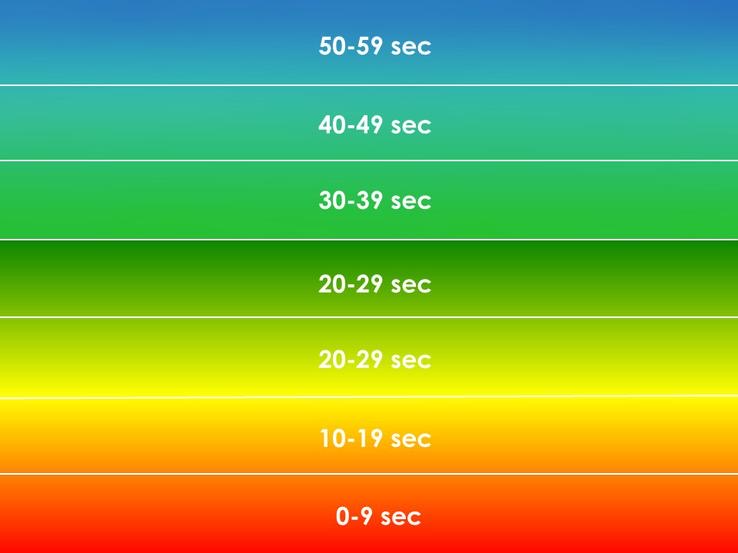
When your resume breathing, your breath should be relatively calm. Scores less than 25 seconds are indicative of dysfunctional breathing (with a score of 25 being the lowest acceptable level). Low scores can indicate poor performance, plateaus when attempt maximal effort work, faster breathing and gassing out during workouts.
Scores of around 35-40 seconds demonstrate a healthy tolerance to carbon dioxide and indicate functional breathing.
Maximal exhalation test
- Lay down and get into a completely relaxed state.
- Take 3 (normal) nasal only breaths.
- Take 1 (full) nasal inhale.
- Slowly begin to exhale through the nose.
- Do not hold your breath or swallow (if you do, stop your timer).
This simple breath assessment indicates sensitivity to carbon dioxide, from a nervous system standpoint, and ultimately how reactive the system is to stress.
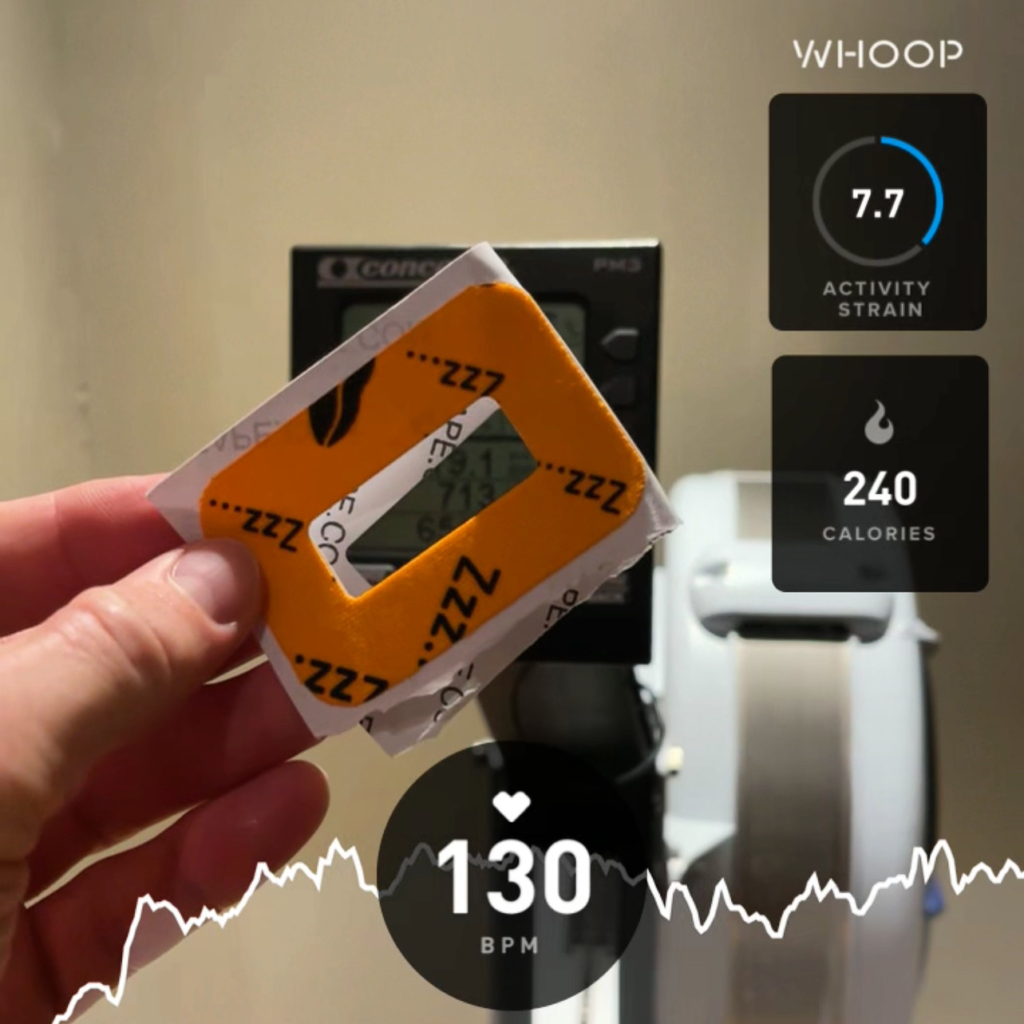
There a several ways to improve your tolerance to carbon dioxide, the most efficacious range from Zone 2 aerobic work (a moderate steady state workout where your blood lactate does not exceed 2 mmol/L or simply speaking a workout where you would normally be able to hold a comfortable conversation) with your mouth taped to various breath hold protocols and use of breath tables practiced by free divers.
PROTOCOLS FOR REST AND DIGEST
Breathwork practice exists on a spectrum, all routines are outcome based and how you channel and direct the various protocols will determine any advantage gained.
Breathwork practice that calms and recruits our parasympathetic pathways are characterised by a conscious breath-wave. Long, slow, deliberate, belly-driven or attentive diaphragmatic breaths, where the exhale takes precedence.
Almost always nasal, these can be performed seated or lying down, awareness is placed on the avoidance of paradoxical breathing patterns, meaning that with every inhale the belly rises and during exhales the belly falls – the mouth and epiglottis are closed with the jaw relaxed.
Protocols can be prescribed with no pause, known as balanced breathing or indeed with pauses/apnoea holds either side of inhalation or exhalation, referred to as box breathing and triangle breathing. Generally, to rest and digest; apnoea holds are best served following an inhale so as not to stress the system by cumulative carbon dioxide.
In some instances, noises such as humming, an audible hiss or a type of ‘ocean breath’ can be used as parasympathetic triggers to stimulate the vagus nerve, providing a neural association to an audible anchor point that pushes the consciousness further towards relaxation. When inducing the parasympathetic nervous system, joint angles are sometimes important: participants can lay down with the feet elevated in order to access 90-degree flexion at the hip and knee.
Remember back to cross-country at school and the PE teacher instructing you to place your hands above your head after the run and breathe to “open your lungs”? They’ve done you a disservice – you would have been better served with your hands on your knees and bent over for recovery.
PROTOCOLS FOR FIGHT OR FLIGHT
Whilst it is obvious why we would want to control and calm our state of mind and body, it’s perhaps not so clear why we would want to ignite the system and heighten our senses – it is all about having capability and control.
If we can practice a heightened state of arousal, increased heart rate, and the anatomical responses associated with a fight or flight response, we can trigger focus towards such an event and be mentally prepared, better equipped to deal with the sensations at a later stage and where it matters such as the theatre of combat or the sporting arena.
Breathwork geared towards the sympathetic response is still driven through the diaphragm and extremely conscious but can be delivered through either the nose or the mouth; characterised by more forceful expressions, the deliberate nature of the breath is sometimes referred to as ‘power breathing’ and ‘super ventilation’.
Some protocols utilise this breathwork practice to tap into heightened states of consciousness; hallucinations are sometimes the consequence due to an imbalance of gases (hypocapnia and hypercapnia) through the deep inhalations and forceful exhalations.
Tummo breathing, some Kalpalbhati, the holotropic breathing of Stanislav Grof and the hyperventilation-type breathing of Wim Hoff are examples, all of which, promote changes to blood pH.
In the case of Wim Hoff, there is a reduction in the oxygenation of the body’s cells, hence the light-headedness. Carpopedal spasms are experienced, and the combination of deep inhales, forceful exhales and apnoea holds allow practitioners to manipulate timed breath holds.
Referring to the Bohr effect mentioned previously, the hyperventilation does not take up more oxygen, it reduces carbon dioxide, meaning the haemoglobin holds onto oxygen that is already bound. With the dramatic reduction in carbon dioxide the body doesn’t breathe as there is no trigger – the ability to hold breath is greater as the body is using oxygen that’s already in the blood.
AUTHORS NOTE
It is not an overstatement to say breathwork practice has provided me with a fundamental shift in how I approach and cope with most things, on and off the Jiu Jitsu mat.
On the mat, transformations have come from dealing with getting stuck under a heavy side pin, mounted position, or contentment in the knowledge that I can control my breath long after most others have quit.
I also understand that poor technique impacts my breathing, inefficient technique (during jiu jitsu, Yoga or strength and conditioning work) prompts compensatory use of the wrong energy systems thus my breathing suffers, it becomes dysfunctional and induces fatigue. If you understand the risk of dysfunctional breathing, you’ll never concede to or be happy with poor technique.
Technique is breath and breathing is technique.
Away from the mats, breath is my weapon during cold plunge – the Baltic Sea off Finland in February and the Skagerrak Strait off Norway in October aren’t pleasant. I have the capability to deal with the 85-90°c (185-194°f) sauna heat for 4×15 minute rounds and I sleep like a baby. I’m less reactive, happier, and present.
If high-performance living is your goal, breathwork is the lowest hanging fruit.
Finally, if your ego is getting in the way of breathwork practice, you are missing out. It’s not Jiu Jitsu versus Yoga versus strength and conditioning versus breathwork. Don’t pigeonhole yourself, don’t pigeonhole your discipline.
It’s all just discipline. It’s all High-Performance Living.
Learning to breathe is like learning to live. The smallest details hold the most significance. A single step in an epic adventure carries with it all the subtleties of experience we have gained along the way. The destination is just one more step in the perceptual cycle of inhalations and exhalations.
Each breath contains all the potential of life, and we can’t hold either one forever. Maybe by learning to breathe, we can discover living. We’re guaranteed only two breaths in this life: our first and our last. We can waste every breath merely existing, or we can use every breath to create meaning and experience the true miracle of life. – Dylan Werner.
REFERENCES
Guyenet, P. G., Stornetta, R. L., Abbott, S. B. G., Depuy, S. D., & Kanbar, R. (2012). The retrotrapezoid nucleus and breathing. Advances in Experimental Medicine and Biology, 758, 115–122. https://www.ncbi.nlm.nih.gov/pmc/articles/PMC5111164/
Sakushima, K., Yoshikawa, M., Osaki, T., Miyamoto, N., & Hashimoto, T. (2020). Moderate hypoxia promotes skeletal muscle cell growth and hypertrophy in C2C12 cells. Biochemical and Biophysical Research Communications, 525(4), 921–927. https://www.sciencedirect.com/science/article/pii/S0006291X20304435
Kiesel, K., Rhodes, T., Mueller, J., Waninger, A., & Butler, R. (2017). Development of a screening protocol to identify individuals with dysfunctional breathing. International Journal of Sports Physical Therapy, 12(5), 774–786. https://www.ncbi.nlm.nih.gov/pmc/articles/PMC5685417/
Kids’ abnormal breathing during sleep linked to increased risk for behavioral difficulties. (2012). Social Work Today. https://www.socialworktoday.com/news/dn_030912.shtml
Cheng, B., Mohamed, A. S., Habumugisha, J., Guo, Y., Zou, R., & Wanga, F. (2023). A study of the facial soft tissue morphology in nasal- and mouth-breathing patients. International Dental Journal, 73(3), 403–409. https://www.ncbi.nlm.nih.gov/pmc/articles/PMC10213793/
Tamkin, J. (2020). Impact of airway dysfunction on dental health. Bioinformation, 16(1), 26–29. https://www.ncbi.nlm.nih.gov/pmc/articles/PMC6986941/
Bradley, H., & Esformes, J. D. (2014). Breathing pattern disorders and functional movement. International Journal of Sports Physical Therapy, 9(1), 28–39. https://www.ncbi.nlm.nih.gov/pmc/articles/PMC3924606/
Cicero, G., Mazziotti, S., Blandino, A., Granata, F., & Gaeta, M. (2020). Magnetic resonance imaging of the diaphragm: From normal to pathologic findings. Journal of Clinical Imaging Science, 10, 1. https://www.instagram.com/p/CifVhQsrrUC/?img_index=1
Dallam, G. M., McClaran, S. R., Cox, D. G., & Foust, C. P. (2018). Effect of nasal versus oral breathing on VO₂max and physiological economy in recreational runners following an extended period spent using nasally restricted breathing. International Journal of Kinesiology and Sports Science, 6(2), 22. https://www.researchgate.net/publication/325521734_Effect_of_Nasal_Versus_Oral_Breathing_on_Vo2max_and_Physiological_Economy_in_Recreational_Runners_Following_an_Extended_Period_Spent_Using_Nasally_Restricted_Breathing